What you’ll learn in this article…
- PMHNPs reach practice in 6 to 8 years; psychiatrists need 11 to 13.
- PMHNPs can prescribe medication in all 50 states.
- BLS median pay differs sharply: roughly $122K for NPs versus $229K for psychiatrists.
The mental health workforce shortage is acute, and two roles sit at the center of the solution: the psychiatric mental health nurse practitioner and the psychiatrist. If your background is in counseling, psychology, or social work, both represent a path toward prescriptive authority and broader clinical impact, but the trade-offs are real. One route requires 6 to 8 years of postsecondary education; the other demands 11 to 13. Median earnings differ by more than $100,000 annually. Scope-of-practice laws vary by state. The practical question is which investment, in time, tuition, and training model, aligns with the career you actually want.
What Does a PMHNP Do? Role and Responsibilities
The role of the psychiatric mental health nurse practitioner has expanded dramatically in the past decade as demand for mental health services outpaces the supply of psychiatrists. Today, PMHNPs are often the primary providers conducting initial evaluations, diagnosing conditions, and managing treatment plans across a wide range of settings.
A Holistic Provider Model
A psychiatric mental health nurse practitioner is an advanced practice registered nurse (APRN) who specializes in psychiatric-mental health care. Unlike medical doctors who train in a disease-centered model, PMHNPs are grounded in the nursing model, which emphasizes whole-person care. This means a PMHNP looks at physical health, psychosocial factors, environment, and daily functioning alongside psychiatric symptoms. The approach naturally integrates therapeutic communication and patient education into every encounter, making it especially compatible with the counseling and psychology fields.
Typical Duties and Daily Work
PMHNPs assess and diagnose mental health conditions, provide psychotherapy, and prescribe medications. In many states they hold full prescriptive authority, while others require a collaborative agreement with a physician. Daily work may include conducting initial psychiatric evaluations, managing medication regimens, ordering and interpreting lab work, and delivering evidence-based therapies like cognitive behavioral therapy or motivational interviewing. The balance between medication management and talk therapy varies by practice, but many PMHNPs continue to deliver both, which distinguishes them from professionals who focus more narrowly on pharmacological intervention.
Where PMHNPs Practice
You will find psychiatric nurse practitioners in outpatient mental health clinics, community health centers, hospitals, private practice, residential treatment facilities, and increasingly in telehealth platforms. The variety of settings reflects the flexibility of the role and the growing reliance on PMHNPs to fill gaps in psychiatric care, especially in rural and underserved areas where rural mental health provider shortages persist. For psychologists, counselors, and mental health social workers, collaborating with a PMHNP often means having a team member who shares a commitment to relational, patient-centered treatment.
What Does a Psychiatrist Do? Role and Responsibilities
A psychiatrist is a medical doctor, either an MD or DO, who specializes in diagnosing and treating mental, emotional, and behavioral disorders. Unlike other mental health professionals, how to become a psychiatrist involves completing full medical training, which shapes their approach: they view mental illness through a medical lens, integrating biological, psychological, and social factors while placing particular emphasis on medication management.
The Medical Model at the Core
Psychiatrists operate primarily from a biomedical framework. They order and interpret lab tests, brain imaging, and physical exams to rule out underlying medical conditions. Their chief intervention is pharmacotherapy, prescribing and adjusting medications such as antidepressants, mood stabilizers, and antipsychotics. While some also provide brief psychotherapy, daily practice centers on the neurochemical and physiological dimensions of mental health.
Treating Complex and Treatment-Resistant Conditions
Psychiatrists frequently manage severe, multifaceted conditions: major depressive disorder with psychotic features, bipolar I with mixed episodes, schizophrenia spectrum disorders, and complex comorbidities. In these cases, expertise in advanced medication strategies, including polypharmacy, high-dose regimens, or electroconvulsive therapy, becomes essential. They also lead crisis interventions for acute psychosis, suicidal ideation, or severe agitation requiring immediate medical evaluation.
Collaboration with Therapists and Counselors
Because their workload often prioritizes medication management, psychiatrists regularly refer patients to psychologists, licensed professional counselors, clinical social workers, and marriage and family therapists for ongoing psychotherapy. A patient might see a psychiatrist every few months for a medication check while meeting weekly with a therapist for cognitive behavioral therapy. Recognizing when a client’s presentation exceeds what therapy alone can address, and coordinating care with a psychiatrist, is a critical skill that improves outcomes across the care team.
The Education Journey: PMHNP Vs. Psychiatrist Side-By-Side
Both PMHNPs and psychiatrists treat mental health conditions and prescribe medication, but they arrive at the treatment room through very different training pipelines. The PMHNP route typically takes 6 to 8 years of postsecondary education, while the psychiatrist pathway requires 11 to 13 years. For counseling and psychology professionals weighing an advanced clinical role, the timeline difference alone can shape when you begin practicing independently.

For counselors and social workers, the PMHNP's integration of psychotherapy and medication management creates a natural bridge to your talk-therapy work. Recognizing the PMHNP vs. psychiatrist difference can sharpen your referral decisions and improve interdisciplinary team collaboration, ensuring clients get the right mix of therapy and medication care.
Board Certification: ANCC PMHNP Vs. ABPN Psychiatry
The certification you earn reflects the path you take: PMHNPs pursue a focused nursing board exam, while psychiatrists navigate a longitudinal, multi-stage physician certification process. Understanding these differences helps you plan your professional timeline and ongoing requirements.
The ANCC PMHNP-BC Exam
The American Nurses Credentialing Center (ANCC) offers the Psychiatric-Mental Health Nurse Practitioner board certification (PMHNP-BC). The exam consists of 175 questions (150 scored and 25 unscored pretest items) taken over 3.5 hours. Content is organized into five domains, each weighted to reflect real-world practice: Scientific Foundation (20%), Advanced Practice Skills (25%), Diagnosis and Treatment (25%), Psychotherapy and Related Theories (15%), and Ethical and Legal Principles (15%). The blueprint covers advanced pathophysiology, pharmacology, health assessment, clinical decision-making, and training in at least two psychotherapeutic modalities. Passing this exam validates your readiness as an advanced practice nurse specializing in mental health.
ABPN Certification in Psychiatry
For physicians, the American Board of Psychiatry and Neurology (ABPN) administers the psychiatry certification. Unlike the single-exam ANCC model, ABPN certification involves both a written multiple-choice component and an oral examination, both grounded in general psychiatry. While detailed content blueprints and exam length figures are not publicly released in the same granular format as the ANCC's, the process is designed to ensure comprehensive, medically focused competency. The ABPN does not structure its assessment around fixed domain percentages; instead, it tests a broad range of psychiatric knowledge through rigorous, evolving formats.
Maintenance of Certification
Renewal timelines and philosophies diverge sharply. ANCC certification is valid for five years and requires renewal through clinical practice hours, continuing education, and professional development activities. ABPN, by contrast, employs a continuing certification program that is ongoing rather than episodic. Psychiatrists must demonstrate lifelong learning through periodic self-assessment, continuing medical education, and practice improvement activities. This reflects the distinct regulatory traditions of nursing and medicine.
Both credentials carry national recognition and open doors to licensure, third-party reimbursement, and career advancement, much like other specialty certifications for therapists. Your choice isn't about which certification is "better"; it's about which professional identity you are building.
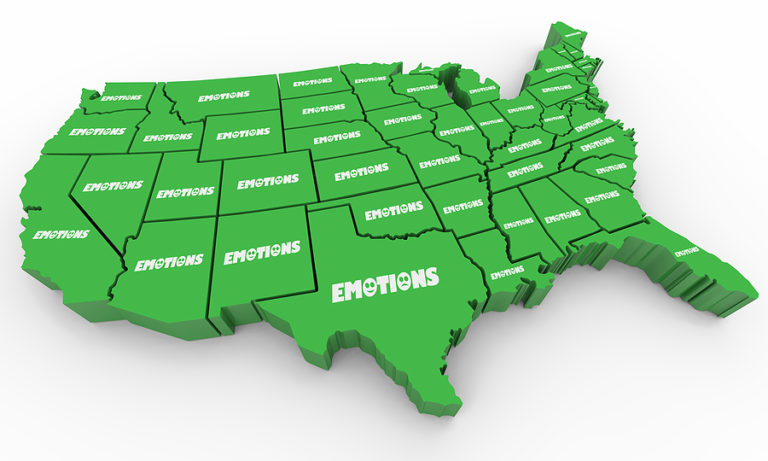
Prescribing Authority by State: Where PMHNPs Can Practice Independently
Full practice authority versus restricted practice , where a PMHNP lands on this spectrum determines their day-to-day autonomy. State regulations fall into three broad categories as defined by the American Association of Nurse Practitioners (AANP): full practice, reduced practice, and restricted practice. The National Conference of State Legislatures (NCSL) tracks these categories in its Nurse Practitioner Practice and Prescriptive Authority resource, which outlines prescriptive authority rules for each state. Each level dictates whether a PMHNP can prescribe without a physician’s involvement, under a collaborative agreement, or only under direct supervision.
Full Practice Authority States
As of 2026, more than half the country allows PMHNPs to practice and prescribe independently. These states have removed requirements for physician collaboration or supervision agreements, giving psychiatric nurse practitioners full prescriptive authority, including controlled substances. The list includes:
- Alaska
- Arizona
- Colorado
- Connecticut
- Delaware
- Hawaii
- Idaho
- Iowa
- Maine
- Massachusetts
- Minnesota
- Montana
- Nebraska
- Nevada (full schedule II, V prescribing)2
- New Hampshire
- New Mexico
- New York (state-controlled substance registration may apply)
- North Dakota
- Oregon
- Rhode Island
- South Dakota
- Utah
- Vermont
- Washington
- Washington D.C.
- Wyoming
In these locations, PMHNPs evaluate patients, develop treatment plans, and prescribe medications , from SSRIs to antipsychotics , without needing a physician’s sign-off. This autonomy streamlines care, particularly in areas grappling with the mental health workforce shortage.
Reduced Practice States
Reduced practice states grant PMHNPs a significant degree of independence but require a collaborative agreement for at least one aspect of prescribing, usually controlled substances. The following states fall into this category, where PMHNPs can manage non-controlled medications freely but need a documented relationship with a physician to prescribe schedule II-V drugs:
- Florida (collaboration required for controlled substances)1
- Georgia
- North Carolina
- Ohio
- Virginia
These agreements typically outline protocols for consultation, referral, and periodic chart review but do not mandate direct on-site supervision. For many PMHNPs, this is a workable middle ground, though it adds administrative overhead and may limit practice in rural settings where finding a collaborating physician is challenging.
Restricted Practice States
In restricted practice states, PMHNPs face more extensive physician oversight. Laws generally require a supervising or delegating physician for most clinical activities, including prescribing even non-controlled medications. States with this level of restriction include:
- Alabama
- Arkansas
- California (some AB 890 transition provisions may apply)
- Illinois (new graduates specifically)
- Kansas
- Mississippi
- Pennsylvania
- South Carolina
- Tennessee
- Texas
- Oklahoma (schedule III-V only; schedule II not authorized)
Requirements vary from direct supervision to chart co-signature or on-site physician presence. These constraints can limit a PMHNP’s ability to practice in remote areas or in clinics without a psychiatrist on staff. Advocacy efforts continue in many of these states to move toward full or reduced practice authority.
The Trend Toward Independence
The national push for full practice authority gained momentum during the pandemic and shows no sign of slowing. States like Delaware and Massachusetts recently adopted full practice, and several restricted states have pending legislation. For aspiring PMHNPs, checking the latest state board of nursing rules is essential, as the landscape continues to evolve.
Salary Snapshot: PMHNP Vs. Psychiatrist Earnings at a Glance
Compensation is one of the most significant differences between these two career paths. According to the most recent Occupational Employment and Wage Statistics from the U.S. Bureau of Labor Statistics (2024), nurse practitioners earn substantially less than psychiatrists, though PMHNPs enter the workforce years earlier. That head start matters: when you factor in the additional four to six years of medical school and residency (often accompanied by significant student loan debt), the effective lifetime earnings gap narrows considerably. Professionals weighing these options should model total career earnings, not just peak salary, alongside debt repayment timelines.
| Role | 25th Percentile | National Median | 75th Percentile | National Mean |
|---|---|---|---|---|
| Nurse Practitioners (including PMHNPs) | $109,940 | $129,210 | $149,570 | $132,000 |
| Psychiatrists | $141,290 | Not published | Not published | $269,120 |