Mental Health Education Guide for Black Students: HBCUs, PWIs, and Diverse Program Options

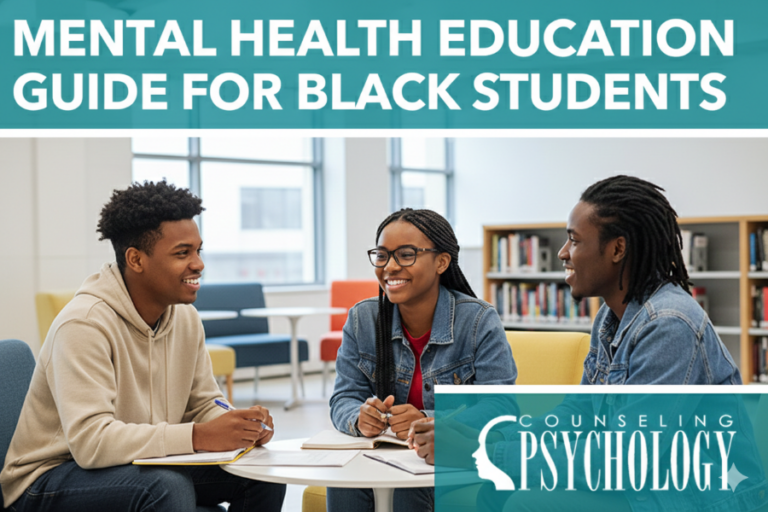
Choosing a psychology or counseling program isn't only about rankings; it's about fit, support, training quality, and whether you'll be prepared to serve real communities (including your own). For many Black students, that also means closely examining campus climate, representation among faculty and supervisors, and access to culturally responsive clinical experiences.
What You'll Learn in This Guide:
- How HBCUs and PWIs differ in student experience and training
- What culturally responsive mental health education should include
- Psychology vs. counseling vs. social work pathways
- How to evaluate practicum sites, supervision, and student support
What Is an HBCU? What Is a PWI?
| Term | Meaning | Why It Matters in Mental Health Education |
| HBCU (Historically Black College or University) | Colleges and universities established before 1964 with the mission of educating Black Americans. | Often associated with strong community support, cultural affirmation, and mentorship environments that many Black students find empowering. |
| PWI (Predominantly White Institution) | Colleges and universities where the majority of enrolled students are white. | May offer large research infrastructures, hospital systems, and specialized labs, but student experience can vary depending on campus climate and departmental culture. |
Both institution types can offer excellent mental health training. The key difference is often in student experience, mentoring culture, and how diversity is reflected in faculty, supervision, and curriculum.
HBCUs vs. PWIs: Educational Environment Differences
Common Strengths at HBCUs
- Strong sense of belonging and identity affirmation
- More culturally familiar mentorship experiences
- Reduced "only one in the room" pressure
- Community-grounded leadership and service opportunities
Potential Advantages at PWIs
- Broader research funding and lab diversity
- Access to major hospital or academic medical center placements
- Specialized concentrations (neuropsychology, health psychology, assessment, etc.)
The Bottom Line
Neither type is inherently "better." The best program is the one where you feel supported, challenged, and prepared for clinical work.
Why This Matters: Mental Health and Representation
Understanding where you train affects how prepared you'll be to serve diverse communities — including Black communities that historically face disparities in mental health access and care.
- HBCUs collectively educate hundreds of thousands of students and play a major role in Black higher education participation.
- National research shows racial differences in help-seeking patterns and unmet mental health needs among college students.
- Workforce data continues to highlight the underrepresentation of Black clinicians in mental health fields, reinforcing the need for culturally competent training environments.
These factors shape why representation, curriculum content, and mentorship quality matter in program selection.
RELATED: BIPOC Therapists: Empowering the Community through Education and Awareness
Psychology vs. Counseling vs. Social Work: Which Path Fits?
| Goal | Typical Degree Path |
| Provide therapy as main career | Master’s in Counseling |
| Combine research, testing, and clinical work | Clinical Psychology degree |
| Focus on community mental health and systems change | Social Work (MSW) |
What Culturally Responsive Training Should Include
Curriculum Indicators
- Required multicultural counseling or cultural humility courses
- Training on racial stress, trauma, and social determinants of mental health
- Ethical practice across cultures
Clinical Training Indicators
- Practicum sites serving diverse populations
- Supervisors trained in multicultural supervision
- Ongoing evaluation of bias and equity in clinical placements
Department Climate Indicators
- Representation among faculty and supervisors
- Student mentorship and professional development support
- Clear processes for addressing discrimination
How to Choose Between HBCUs and PWIs
Consider HBCUs If You Prioritize:
- Cultural affirmation and identity-centered learning
- Community-based clinical training
- Mentorship from faculty with shared cultural backgrounds
Consider PWIs If You Prioritize:
- Specialized research tracks
- Large hospital-based clinical systems
- Niche concentrations and advanced research labs
Consider a Mixed Search Strategy If You Want:
- The best academic and clinical fit regardless of institution type
- Strong practicum quality and licensure preparation
- A diverse student cohort and supportive department culture
Diverse Program Options Beyond Campus Type
- Hybrid counseling programs with local placements
- Online programs placing students in home communities
- Urban public universities with diverse client populations
- Minority-Serving Institutions (MSIs) in various regions
Questions to Ask Admissions
- How are practicum sites secured?
- What training do supervisors have in multicultural supervision?
- What support exists specifically for students of color?
- What are licensure exam pass rates?
- How are students supported if a placement falls through?
FAQs
Q: Are HBCUs only for Black students?
A: No. HBCUs are open to students of all backgrounds, though their historical mission centers on educating Black students.
Q: Will I be supported at a PWI?
A: Support depends on departmental culture, mentorship, and clinical training quality, not just the institution label.
Q: What's the fastest path to becoming a therapist?
A: Usually counseling or social work master's degrees, though licensure timelines vary by state.
Q: How do I know if a program is truly diverse?
A: Look for faculty representation, supervision quality, curriculum requirements, student outcomes, and mentorship structures, not just marketing language.